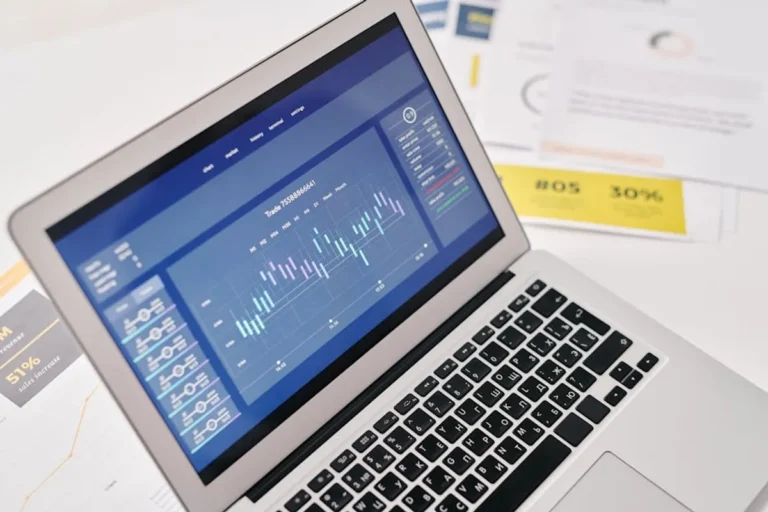

Top 100 rank tracking involves monitoring a website's keyword positions across the first 100 search engine results, extending well beyond the typical first-page focus. For SEO professionals, this broader scope is not merely an expanded data set; it represents a critical strategic advantage. While immediate visibility on page one is always the primary goal, understanding performance across pages two through ten provides crucial insights into keyword potential, competitive landscapes, and long-tail opportunities. Keywords ranking between positions 11 and 100 often represent content that is "on the cusp" – requiring targeted optimization to break into the top ten. Ignoring these positions means overlooking a significant segment of potential traffic and failing to identify content that is already demonstrating some relevance, albeit not yet sufficient for prime visibility. This comprehensive tracking allows for a more nuanced understanding of organic search performance, informing content strategy, technical SEO adjustments, and link building efforts with a richer data foundation.
The commercial utility of Top 100 rank tracking lies in its capacity to illuminate the full spectrum of a site's organic footprint. It moves beyond a reactive approach to page-one drops, enabling proactive identification of emerging trends and competitive shifts. Businesses can detect keywords where competitors are gaining ground outside the immediate top ten, or pinpoint content that, with marginal improvements, could significantly boost organic traffic. This depth of data supports more precise resource allocation, ensuring that optimization efforts are directed where they can yield the most significant incremental gains, whether that's pushing a position 15 keyword to page one or identifying a cluster of positions 50-70 keywords that collectively represent a substantial untapped audience.
How to Choose a Top 100 Rank Tracking Solution
Selecting the appropriate rank tracking solution requires evaluating several key factors beyond just the ability to monitor 100 positions. Consider the granularity of data, including geographic targeting (country, state, city, or even postal code), device type (desktop, mobile), and search engine (Google, Bing, YouTube, etc.). The frequency of data updates is also crucial; daily updates offer the most immediate insights, while weekly or monthly updates might suffice for less volatile niches. Evaluate the keyword capacity the platform offers, ensuring it scales with your current and projected needs. Reporting capabilities are paramount: look for customizable dashboards, white-label options for agencies, and integration with other analytics platforms. Finally, assess the depth of historical data retention and the availability of competitive tracking features, which allow you to monitor competitor performance alongside your own.
1. RankSense Pro
RankSense Pro positions itself as a robust, enterprise-grade rank tracking platform designed for large SEO teams and agencies managing extensive keyword portfolios. It emphasizes data accuracy, offering granular tracking across multiple geographic locations and device types. The platform provides daily updates for all tracked keywords, ensuring that users have the most current data for strategic decisions. Its architecture is built for scalability, capable of handling hundreds of thousands of keywords without performance degradation, and features a comprehensive API for custom integrations and data extraction.
Best for: Large agencies, in-house enterprise SEO teams, and publishers requiring high-volume, global, and highly detailed rank tracking with extensive reporting needs.
Pros:
- Offers highly precise geographic targeting, including city and postal code level.
- Provides daily rank updates across all tracked keywords, ensuring timely data.
- Robust API allows for deep integration with internal systems and custom reporting.
- Extensive historical data retention, typically spanning several years.
- Supports tracking across multiple search engines and device types simultaneously.
Cons:
- The pricing structure can be prohibitive for small businesses or individual consultants.
- User interface, while functional, can have a steeper learning curve for new users.
- Advanced features and custom reporting often require technical expertise to fully leverage.
- Customer support response times can vary depending on the plan tier.
- Limited direct content optimization suggestions within the platform itself.
Verdict: RankSense Pro is a powerful choice for organizations where data precision, scale, and integration capabilities are non-negotiable. Its high cost is justified by its comprehensive feature set for complex SEO operations.
2. SERP Scout
SERP Scout focuses on competitive intelligence within rank tracking, providing detailed insights into how a site's performance stacks up against rivals. Beyond standard position tracking, it offers features like SERP feature analysis (e.g., featured snippets, local packs) and visibility share metrics. The platform is designed to help users identify competitive gaps and opportunities by monitoring up to 10 competitor domains per project, alongside their own, within the Top 100 results. It aims to provide actionable data for refining competitive SEO strategies.
Best for: Businesses and agencies with a strong focus on competitive analysis and understanding market share within search results.
Pros:
- Excellent competitive tracking features, allowing detailed comparison against multiple rivals.
- Provides granular data on SERP features, helping identify opportunities for enhanced visibility.
- Intuitive dashboards make competitive insights easily digestible.
- Offers historical data for both your domain and tracked competitors.
- Flexible reporting options, including scheduled reports and custom dashboards.
Cons:
- Keyword capacity on entry-level plans can be restrictive for larger sites.
- Geographic targeting options are less granular than some specialized tools.
- Integration capabilities with other SEO suites are present but not as extensive as enterprise platforms.
- Does not offer direct on-page or technical SEO auditing tools.
- Some advanced competitive metrics require a higher subscription tier.
Verdict: For those whose SEO strategy is heavily driven by competitive benchmarking, SERP Scout provides a focused and effective solution for understanding and reacting to market dynamics within the Top 100.
3. Keyword Horizon
Keyword Horizon emphasizes comprehensive keyword research and opportunity identification alongside its rank tracking capabilities. It integrates keyword suggestion tools, search volume data, and difficulty scores directly into the rank tracking interface. This platform is designed for users who want to not only monitor existing keyword performance but also continuously discover and evaluate new long-tail and mid-tail keyword opportunities within the Top 100, facilitating content expansion and strategic planning.
Best for: Content marketers, SEOs focused on content strategy, and businesses looking to expand their organic footprint through continuous keyword discovery.
Pros:
- Seamless integration of keyword research tools with rank tracking data.
- Helps identify new keyword opportunities based on current ranking performance.
- Provides search volume and difficulty metrics directly within the rank tracking reports.
- User-friendly interface, making it accessible for less technical users.
- Offers grouping and tagging features for better keyword organization.
Cons:
- Daily updates are often an add-on or limited to higher-tier plans.
- Geographic tracking is primarily country and state level, less granular for local businesses.
- Competitive tracking features are basic compared to dedicated competitive intelligence tools.
- Reporting customization is adequate but not as extensive as enterprise solutions.
- Historical data retention may be shorter on standard plans.
Verdict: Keyword Horizon is a strong choice for those who view rank tracking as an integral part of an ongoing content strategy, providing tools to both monitor and expand keyword reach.
4. Position Pulse
Position Pulse is designed for simplicity and ease of use, making rank tracking accessible to small businesses and individual SEOs. It offers reliable Top 100 tracking with a clean interface that prioritizes clear visualization of ranking trends. While it may not have the deep customization or API access of enterprise tools, it provides essential features like daily updates, mobile vs. desktop tracking, and basic competitive oversight. Its value proposition centers on delivering core rank tracking functionality without unnecessary complexity.
Best for: Small businesses, individual consultants, and new SEOs seeking an accessible and straightforward rank tracking solution.
Pros:
- Extremely user-friendly interface with intuitive navigation.
- Affordable pricing plans suitable for smaller budgets.
- Offers daily rank updates for consistent monitoring.
- Provides clear visual graphs for tracking performance trends over time.
- Setup process is quick and requires minimal technical knowledge.
Cons:
- Limited advanced features, such as deep API integration or highly granular geo-targeting.
- Competitive tracking is basic, typically limited to a few domains.
- Reporting options are less customizable than higher-end platforms.
- Keyword capacity can be a limiting factor for larger websites.
- Historical data retention might be limited on entry-level plans.
Verdict: Position Pulse delivers essential Top 100 rank tracking effectively and affordably, making it an excellent entry point for users who need reliable data without complex enterprise features.
5. Search Metrics Pro
Search Metrics Pro offers a comprehensive suite of SEO tools, with rank tracking as a core component. It integrates Top 100 position monitoring with site audits, backlink analysis, and content optimization suggestions. The platform is geared towards providing a holistic view of organic performance, allowing users to connect ranking changes directly to other SEO factors. It emphasizes data visualization and actionable insights, designed for SEO professionals who prefer an all-in-one platform for various tasks.
Best for: SEO professionals and agencies looking for an integrated platform that combines rank tracking with broader SEO analysis and auditing functionalities.
Pros:
- Comprehensive suite of SEO tools integrated with rank tracking.
- Offers detailed visibility metrics beyond just individual keyword positions.
- Strong data visualization capabilities for presenting complex information.
- Provides insights into technical SEO issues and content gaps.
- Supports tracking across multiple regions and languages.
Cons:
- The breadth of features can lead to a steeper learning curve.
- Pricing can be significantly higher than standalone rank tracking tools.
- Some specialized features might not be as deep as dedicated tools in those areas.
- Reports can be very detailed, potentially overwhelming for quick overviews.
- Customer support can be less personalized due to the large user base.
Verdict: For SEOs seeking a single platform to manage diverse aspects of their organic strategy, Search Metrics Pro provides a powerful, integrated solution where Top 100 rank tracking is a key analytical component.
6. Market Ranker
Market Ranker specializes in providing market-level insights from Top 100 rank tracking data. It goes beyond individual keyword positions to analyze overall market visibility, share of voice, and trend analysis across predefined keyword groups. This platform is particularly useful for strategists and marketing managers who need to understand their brand's performance within specific industry segments or product categories. It aggregates ranking data to present a high-level view of market presence and competitive standing.
Best for: Marketing strategists, brand managers, and SEOs focused on understanding market share and overall category performance within search.
Pros:
- Exceptional for analyzing market share and overall category performance.
- Provides high-level trend analysis for strategic decision-making.
- Allows for custom grouping of keywords to monitor specific market segments.
- Offers clear visualization of market visibility against competitors.
- Useful for identifying broad shifts in search demand and competitive landscapes.
Cons:
- Less emphasis on granular, individual keyword optimization suggestions.
- May require a larger keyword set to generate meaningful market insights.
- Geographic targeting capabilities are standard, not hyper-local.
- The interface can be less intuitive for users accustomed to traditional rank trackers.
- Integration with other SEO tools is present but not a primary focus.
Verdict: Market Ranker is ideal for those who need to see the forest, not just the trees, in their rank tracking data, providing a strategic overview of market performance from Top 100 positions.
7. Global SERP Watch
Global SERP Watch is tailored for international SEO, offering extensive coverage across a vast array of countries, languages, and search engine variations. It provides Top 100 rank tracking for localized SERPs, enabling businesses to monitor their performance in specific target markets worldwide. The platform focuses on accuracy in localized results, accounting for regional search biases and language nuances. It's built for global brands and agencies managing multi-national SEO campaigns.
Best for: International businesses, global brands, and agencies managing multi-country or multi-language SEO campaigns.
Pros:
- Extensive coverage for tracking rankings across numerous countries and languages.
- Provides accurate localized SERP data, accounting for regional search engine variations.
- Supports tracking for various Google domains (e.g., google.co.uk, google.de) and other local search engines.
- Offers flexible reporting tailored for international performance analysis.
- Allows for side-by-side comparison of performance across different regions.
Cons:
- Pricing tiers can escalate quickly with the addition of more countries/languages.
- The interface can be complex to navigate due to the sheer volume of global options.
- Deep competitive analysis features are present but may not be as robust as dedicated competitive tools.
- Integration capabilities are standard but not highly specialized for global data aggregation.
- Limited focus on hyper-local (city/postal code) tracking within a single country.
Verdict: Global SERP Watch is the go-to solution for businesses whose SEO success hinges on precise, localized Top 100 rank tracking across a diverse international footprint.
8. Competitor Insight
Competitor Insight is a specialized tool that elevates competitive rank tracking to a strategic level. While it includes standard Top 100 tracking for your own domain, its primary strength lies in its ability to deeply analyze competitor ranking patterns, keyword strategies, and content gaps. It provides features like "share of voice" for specific keyword sets among competitors, historical ranking movements of rivals, and identification of keywords where competitors are gaining or losing positions. This platform is built for aggressive competitive analysis.
Best for: Aggressive growth-focused businesses, competitive intelligence teams, and agencies needing deep insights into competitor SEO strategies.
Pros:
- Unparalleled depth in competitive keyword and ranking analysis.
- Provides detailed historical data on competitor performance.
- Identifies competitor content gaps and emerging keyword opportunities.
- Offers share of voice metrics for specific keyword segments among rivals.
- Helps anticipate competitive moves and react proactively.
Cons:
- Less emphasis on on-page SEO recommendations or technical audits.
- Can be more expensive than basic rank tracking tools due to specialized competitive data.
- Requires a clear understanding of competitive strategy to fully leverage its features.
- Keyword capacity for your own domain might be secondary to competitor tracking limits.
- The interface can be data-heavy, requiring time to interpret insights.
Verdict: For organizations where competitive advantage in search is paramount, Competitor Insight provides the granular data and strategic intelligence necessary to outmaneuver rivals within the Top 100.
9. Enterprise Rank Track
Enterprise Rank Track is designed specifically for large organizations with complex SEO requirements, including multiple websites, subdomains, and extensive keyword sets. It offers highly customizable reporting, user permissions, and workflow management features. The platform focuses on data security, reliability, and the ability to integrate seamlessly into existing enterprise data ecosystems via a robust API. It provides Top 100 tracking at scale, with an emphasis on governance and collaborative team environments.
Best for: Large enterprises, corporations with multiple brands/websites, and highly regulated industries requiring advanced data management and security.
Pros:
- Built for scalability, handling massive keyword volumes and multiple projects.
- Offers extensive user management and permission controls for large teams.
- Highly customizable reporting and white-label options for internal and client use.
- Robust API for deep integration with business intelligence and data warehousing.
- Emphasizes data security and reliability, crucial for corporate environments.
Cons:
- The highest cost among rank tracking solutions, often requiring custom quotes.
- Complexity of features can lead to a significant onboarding and training period.
- User interface might feel less intuitive than simpler tools due to feature density.
- Requires dedicated internal resources to manage and fully utilize its capabilities.
- Not suitable for small businesses or individual users due to cost and complexity.
Verdict: Enterprise Rank Track is the definitive choice for large-scale operations that require a powerful, secure, and highly customizable Top 100 rank tracking solution capable of integrating into complex corporate infrastructures.
10. Local Rank Monitor
Local Rank Monitor specializes in hyper-local Top 100 rank tracking, providing unparalleled precision for businesses targeting specific cities, neighborhoods, or even street addresses. It simulates local search queries from precise geographic points, offering accurate insights into local pack rankings, organic positions, and map pack visibility. This platform is essential for multi-location businesses, local SEO agencies, and any entity whose success depends on local search performance.
Best for: Multi-location businesses, local service providers, local SEO agencies, and brick-and-mortar stores focused on localized search visibility.
Pros:
- Exceptional accuracy in hyper-local rank tracking, down to specific addresses.
- Monitors local pack, map pack, and organic positions simultaneously.
- Provides insights into Google My Business performance within local SERPs.
- Offers detailed competitive analysis for local businesses.
- Crucial for optimizing for "near me" searches and local intent.
Cons:
- Global or broad national tracking capabilities are not its primary strength.
- Keyword capacity can be limited on lower-tier plans, especially for many locations.
- Pricing can increase significantly with the number of locations tracked.
- Reporting is focused on local metrics, less on broad organic trends.
- Integration options might be less extensive than general-purpose rank trackers.
Verdict: Local Rank Monitor is indispensable for any business or agency where local search dominance is a core objective, providing the precise data needed to win in specific geographic markets.
11. API Ranker
API Ranker is a developer-centric rank tracking solution that provides raw Top 100 ranking data through a robust, flexible API. It's designed for users who need to integrate rank tracking data into custom dashboards, internal tools, or proprietary analytics platforms. While it offers a basic web interface for initial setup and overview, its core value is in programmatic access to large volumes of ranking data, allowing for highly customized analysis and reporting workflows. It caters to data scientists, developers, and advanced