
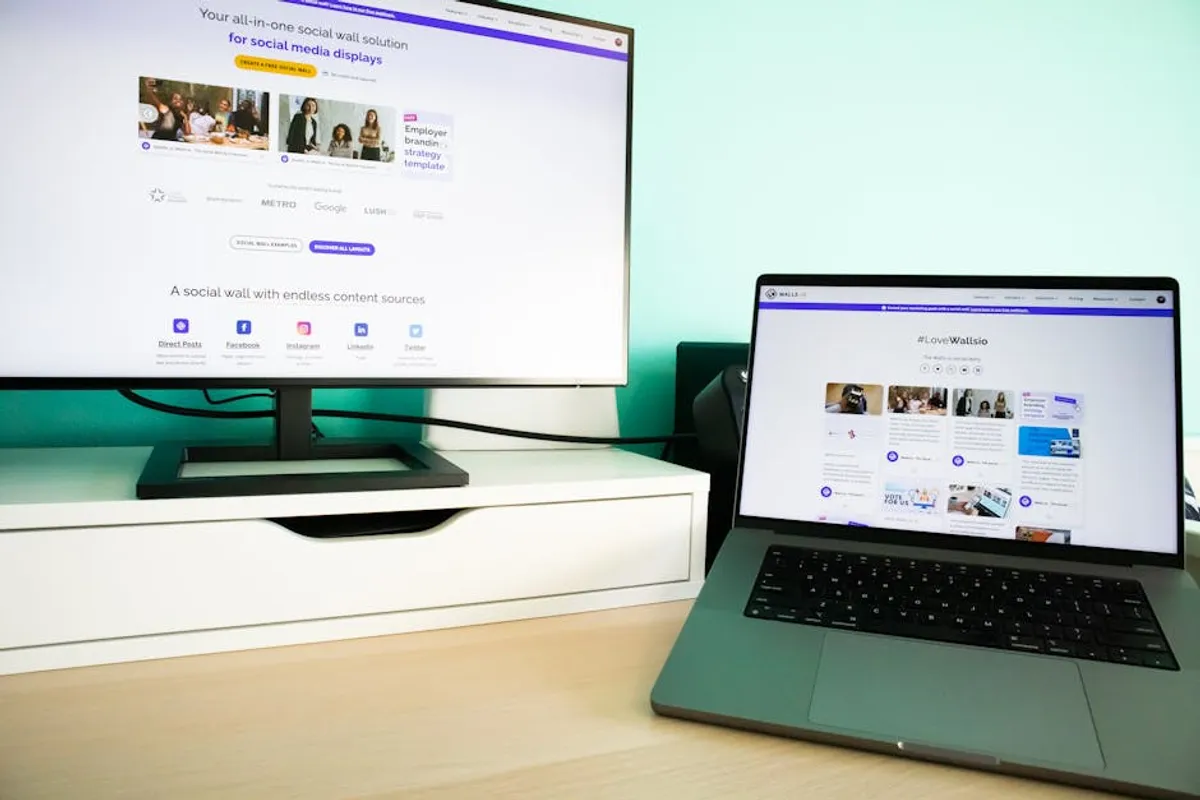
Monitoring brand mentions extends beyond basic public relations; it's a fundamental practice for reputation management, customer service, competitive intelligence, and identifying SEO opportunities. Businesses that actively track where and how their brand, products, and key personnel are discussed online gain actionable insights into market perception, customer sentiment, and emerging trends. This proactive approach allows for timely responses to feedback, mitigates potential crises, and uncovers avenues for growth and engagement.
Defining Brand Mentions for Monitoring
A brand mention encompasses any instance where your brand, or elements closely associated with it, appear across various online channels. Effective monitoring begins with a clear definition of what to track.
- Direct Brand Name: The official name of your company or organization.
- Product/Service Names: Specific names of offerings, including variations or common abbreviations.
- Key Personnel Names: Executives, founders, or prominent team members frequently associated with the brand.
- Campaign Names & Hashtags: Promotional slogans, event names, or specific hashtags used in marketing efforts.
- Common Misspellings & Abbreviations: Anticipate how users might incorrectly type or shorten your brand or product names.
- Industry Keywords & Competitor Names: Tracking broader industry terms or competitor mentions can provide context and identify comparative discussions where your brand might be relevant.
Establishing a comprehensive list of these terms forms the foundation of any robust monitoring strategy, ensuring you capture relevant conversations wherever they occur.
Strategic Value of Brand Mention Monitoring
The benefits of monitoring brand mentions are multifaceted, impacting various operational areas of a business:
Reputation Management and Crisis Prevention
Early detection of negative sentiment or critical discussions allows businesses to address issues before they escalate. Responding promptly and transparently to complaints or misinformation can prevent reputational damage and demonstrate a commitment to customer satisfaction. Conversely, identifying positive mentions provides opportunities to amplify endorsements and build goodwill.
Customer Service and Engagement
Many customers turn to social media or forums to voice concerns or ask questions, often bypassing official support channels. Monitoring these platforms enables businesses to intercept and resolve customer issues quickly, improving satisfaction and fostering loyalty. Engaging with positive feedback, such as sharing user-generated content or thanking advocates, strengthens community ties.
SEO and Link Building Opportunities
Unlinked brand mentions—instances where your brand is discussed without a direct link back to your site—represent prime link building opportunities. Outreach to site owners or content creators who have mentioned your brand can convert these mentions into valuable backlinks, improving search engine authority. Additionally, identifying topics frequently associated with your brand can inform content strategy, helping to create relevant content that addresses audience interests and search intent.
Competitive Intelligence
Tracking mentions of competitors reveals their marketing strategies, product launches, customer feedback, and industry positioning. This insight can help identify market gaps, evaluate competitive threats, and refine your own offerings or messaging to stand out. Observing competitor successes and failures provides valuable lessons without direct investment.
Content Strategy and Product Development
Analyzing the context of brand mentions can uncover common questions, pain points, or desired features expressed by your target audience. This direct feedback is invaluable for informing content creation, ensuring your articles, guides, and marketing materials address real user needs. For product development teams, mention analysis can highlight areas for improvement or inspire new features, aligning offerings more closely with market demand.
Core Channels for Brand Mention Tracking
Mentions can appear across a wide array of online platforms, each requiring a tailored approach to monitoring.
Social Media Platforms
Social channels like X (formerly Twitter), Facebook, Instagram, LinkedIn, and Reddit are primary sources for real-time brand discussions, sentiment, and customer service interactions. Monitoring here often involves tracking hashtags, user tags, and direct mentions, as well as broader keyword searches within platform search functions.
News Sites and Blogs
Industry news outlets, independent blogs, and online publications frequently feature brand reviews, product announcements, and expert commentary. Tracking these sources helps assess media coverage, identify thought leadership opportunities, and gauge public perception from a journalistic perspective.
Forums and Online Communities
Niche forums, Q&A sites (e.g., Quora), and specialized online communities host detailed discussions where users often share experiences, ask for recommendations, and review products. These platforms offer unfiltered insights into user sentiment and can reveal specific use cases or challenges. Monitoring these channels requires understanding the specific language and culture of each community.
Review Websites
Platforms like Yelp, Google My Business, Trustpilot, and industry-specific review sites are critical for understanding customer satisfaction and identifying areas for service improvement. Reviews directly impact purchasing decisions, making consistent monitoring and response essential for maintaining a positive online reputation.
General Web Mentions and Unlinked References
Beyond structured platforms, brand mentions can appear on any website, often without a direct link. These "unlinked mentions" are valuable for SEO, as they indicate authority and relevance. Tools capable of crawling large portions of the web to identify these instances are crucial for comprehensive coverage.
Establishing a Brand Mention Monitoring Workflow
Effective monitoring requires a structured approach to ensure consistency and actionable outcomes.
Keyword Definition and Refinement
Begin by compiling a comprehensive list of all relevant keywords, including brand names, product names, key personnel, common misspellings, and competitor terms. Regularly review and update this list to reflect new campaigns, product launches, or shifts in market language.
Tool Selection and Configuration
Choose monitoring tools that align with your budget, scale of operations, and specific needs. Some tools offer real-time alerts, sentiment analysis, historical data, and reporting features. Configure these tools with your defined keywords and specify the channels you wish to monitor (e.g., social media, news, forums). For smaller operations, manual searches and free alert services can provide a starting point.
Response Protocol Development
Establish clear guidelines for how different types of mentions should be handled. This includes defining who is responsible for monitoring, who responds to positive or negative feedback, and the escalation path for critical issues. A consistent tone of voice and response time are vital for maintaining brand integrity.
Data Analysis and Reporting
Regularly analyze the collected data to identify trends, shifts in sentiment, and emerging topics. Categorize mentions by sentiment (positive, negative, neutral), source, and impact. Generate reports that highlight key findings, such as the volume of mentions, sentiment distribution, and competitive comparisons. This data informs strategic decisions across marketing, PR, and product teams.
Pro Tip: Do not just monitor; actively engage. A mention, whether positive or negative, is an opportunity for interaction. Timely and thoughtful responses can transform a critic into an advocate or amplify positive sentiment, directly impacting brand perception and customer loyalty.
Sustaining Your Brand Mention Strategy
Brand mention monitoring is an ongoing process, not a one-time setup. The online landscape evolves constantly, with new platforms emerging and audience behaviors shifting. Regularly review your monitoring strategy, adjusting keywords, channels, and response protocols as needed. Integrate the insights gained from mentions into your broader marketing, PR, and product development cycles to ensure continuous improvement and sustained brand health. This iterative approach ensures your brand remains responsive, relevant, and resilient in the digital sphere.
Frequently Asked Questions
What is the primary goal of monitoring brand mentions?
The primary goal is to understand how your brand is perceived online, manage its reputation, engage with customers, and identify actionable insights for marketing, product development, and SEO.
How often should I check for brand mentions?
The frequency depends on your brand's size, industry, and activity level. High-profile brands or those in fast-moving industries may require real-time monitoring, while smaller businesses might check daily or weekly. Critical alerts, however, should always be addressed immediately.
Can monitoring brand mentions help with SEO?
Yes, monitoring helps identify unlinked brand mentions, which can be converted into valuable backlinks. It also provides insights into popular topics related to your brand, informing content strategy and keyword research to improve search visibility.
What should I do if I find a negative brand mention?
Address negative mentions promptly and professionally. Acknowledge the feedback, offer a solution or clarification, and, if appropriate, move the conversation to a private channel. Avoid defensive or confrontational responses, as transparency and empathy are key to reputation management.